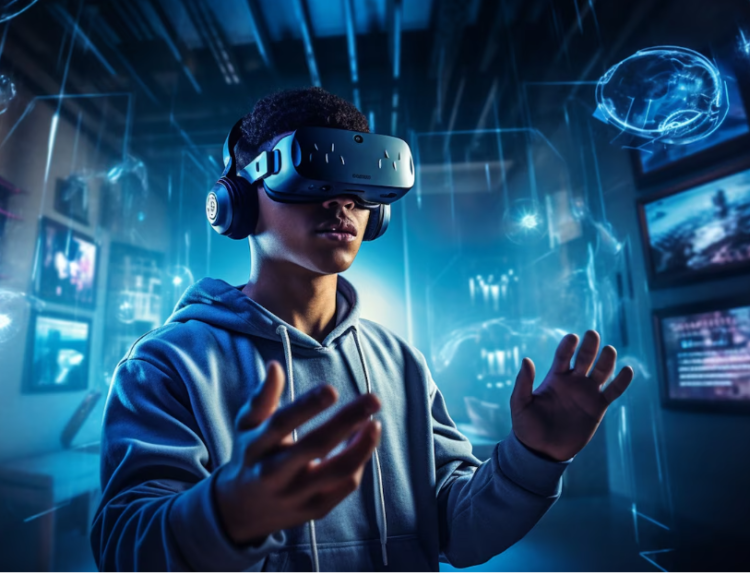
Introduction to Future Technology
Future Technology refers to emerging innovations that are expected to transform the way people live, work, and interact with the world. This includes developments in artificial intelligence, robotics, quantum computing, biotechnology, virtual reality, and advanced communication networks. Future Technology is not limited to a single sector but influences healthcare, education, business, entertainment, and daily life. By pushing the boundaries of what is possible, Future Technology enables greater efficiency, connectivity, and creativity, reshaping society and driving global innovation.
Evolution of Technology
Technology has continually evolved from simple tools to advanced digital systems. Early inventions like the wheel, printing press, and electricity laid the groundwork for modern innovations. The rise of computers, the internet, and mobile devices accelerated progress, creating an interconnected world. Future Technology builds on these advances, combining computational power, data analysis, and automation to solve complex problems, improve productivity, and enhance the quality of life for individuals and communities.
Transforming Communication and Connectivity
Future Technology is revolutionizing communication by enabling faster, more reliable, and immersive interactions. Advanced networks such as 5G and the upcoming 6G technology allow instant data transfer and real-time collaboration globally. Virtual reality and augmented reality provide immersive experiences for education, work, and entertainment. Smart devices connected through the Internet of Things create seamless communication between homes, offices, and cities, enhancing convenience, safety, and efficiency in everyday life.
Impact on Business and Industry
Businesses are leveraging Future Technology to drive innovation, improve efficiency, and remain competitive. Artificial intelligence helps companies analyze large datasets, predict trends, and optimize operations. Automation and robotics reduce manual labor while increasing productivity and precision. Cloud computing and advanced analytics enable scalable solutions for businesses of all sizes. By adopting Future Technology, organizations can innovate faster, enhance customer experiences, and create new products and services that meet evolving market demands.
Advancements in Healthcare
Healthcare benefits significantly from Future Technology through improved diagnostics, treatment, and patient care. Telemedicine and wearable devices allow real-time monitoring and remote consultations. Robotics and AI assist in surgeries, rehabilitation, and drug discovery. Biotechnology innovations help develop new treatments and personalized medicine. Future Technology empowers healthcare professionals to deliver better outcomes, increase efficiency, and provide access to quality care even in remote or underserved areas.
Education and Learning Transformation
Education is being transformed by Future Technology, making learning more interactive, personalized, and accessible. Virtual classrooms, online platforms, and simulation tools allow students to study from anywhere in the world. Augmented reality and virtual reality create immersive experiences for understanding complex subjects. Artificial intelligence can adapt lessons to individual learning styles and provide instant feedback. Future Technology ensures that education equips students with critical skills such as problem-solving, creativity, and digital literacy for a technology-driven future.
Social and Cultural Influence
Future Technology also shapes society and culture by enabling new ways to connect, create, and experience the world. Social media, digital art, virtual events, and online entertainment platforms expand opportunities for expression and collaboration. Smart infrastructure, intelligent transportation, and connected public services improve quality of life. Ethical considerations, including data privacy, cybersecurity, and equitable access, are crucial to ensure that Future Technology benefits society while minimizing risks.
Looking Ahead: Potential and Innovation
The potential of Future Technology is vast, with applications in autonomous vehicles, AI-driven decision-making, space exploration, sustainable energy, and advanced robotics. These innovations will transform industries, improve efficiency, and create smarter, more connected communities. Future Technology encourages creativity and problem-solving, allowing humans to focus on innovation while machines handle repetitive or complex tasks, ultimately enhancing productivity and quality of life.
Conclusion
Future Technology is revolutionizing life and work by enabling efficiency, connectivity, and innovation. Its applications in communication, business, healthcare, education, and society highlight its transformative impact. By harnessing advanced tools and systems, Future Technology improves productivity, enhances problem-solving, and connects people globally. As these innovations continue to evolve, Future Technology will remain a driving force shaping a smarter, more efficient, and innovative world for generations to come.